The class spent an exciting and creative day designing and building their own rockets, inspired by the story Beegu. They were using recycled materials found in school.
At first the students designed a rocket by drawing and discussing their ideas. Next they made a start with making their own rockets using their preferred materials found in school.
They worked collaboratively at first, building their rocket and exploring where materials should be placed and used for specific things. The main materials they used were cardboard, bottles, tubes, and foil to construct unique rockets, thinking about shape and detail.
As they built, the children shared ideas, solved problems, and helped one another, showing great teamwork. The day ended with everyone proudly presenting their rockets and explaining how they built it and what they used.
Bleasdale Class visited the Blackpool Sea Life Centre as part of their Abyss topic. The purpose of the visit was to inspire the children to write alliteration poems linked to sea life and underwater habitats.
The children greatly enjoyed exploring the Sea Life Centre and observing the wide variety of animals. They used the information boards, along with what they saw and heard during the visit, to gather facts and descriptive vocabulary that they could use in their alliteration poems. For example, while observing the clown fish, Xander worked with Mr Blower to create the alliteration phrase “ornate orange, cool clown fish.”
Whilst listening to information about rock pools, the children learnt that starfish have no blood, bones or teeth, live in cold water and feel sticky to the touch. They also discovered that sea anemones, when viewed up close, look like gumdrops and prefer to live close to rocks.
The children also learnt about coastal waters and how they support marine life. They found out that bays, inlets and sheltered coastal waters often provide a nursery for fish, offering a safe environment away from predators.
The pupils will be able to use the information and experiences gained from this visit when writing their alliteration poems in follow-up lessons and it was a great way to introduce the topic to them. The trip was both enjoyable and educational and provided valuable inspiration for our learning.
Today, Fairsnape took part in a practical cooking activity to support our English learning- instructional writing. To help the children understand the purpose and structure of instructional writing, we followed a recipe to make rocky road biscuits, working in two small groups.
Before starting, we looked closely at the features of a recipe together. In their groups, the children discussed what they could see and confidently identified a title, an ingredients list, and clear instructions. They were also able to draw on their previous learning about non-fiction texts, recognising that a recipe is a type of non-fiction. We compared this to other factual writing we studied last term, such as newspaper reports and biographies, which helped to deepen their understanding.
During the activity, the children worked collaboratively and took turns to read and follow the instructions carefully. We kept everything the same and followed the recipe exactly, which helped the children see the importance of clear and precise instructions. The practical nature of the task supported engagement and teamwork.
Once our rocky roads were finished, the children tasted them and shared what they liked and did not like, explaining their reasons. This discussion will feed directly into future lessons, where the children will write their own rocky road recipe, deciding which ingredients or steps they would like to change or keep the same based on their experience today.
Overall, this activity supported the children’s understanding of instructional writing while also developing real-life skills and giving them a meaningful experience they can draw on in their own writing.
To end the day, we had a sensory session and explored some messy play! The children absolutely loved their introduction to this terms topic: Muck, Mess and Mixture!
As part of our class topic ‘Paws, Claws and Whiskers’, we visited Wyresdale Dexter’s Farm, a working farm close to school. This visit gave the children the opportunity to learn about what happens on a farm each day and learn how to take care of farm animals.
During our visit, the children met a variety of animals, including cows, sheep, and pigs. They enjoyed looking closely at the animals and talking about what they could see, such as their size, colours, and markings.
The children learned about how farmers care for their animals. They fed the pigs, watched how they ate and behaved. They also watched the farmers groom the sheep and weigh them to make sure they are healthy. Another important job that we helped the farmers do was to look at their faeces under a microscope, to look for unhealthy germs. This helped the children understand that there are lots of different components to farm animal care.
One of the highlights of the visit was seeing the farm in action. The children helped the farmers to round up the sheep and learned about the daily tasks that need to be carried out on a working farm, such as feeding, cleaning, and checking the animals.
The visit to Wyresdale Dexter’s Farm was an exciting and memorable experience. It helped the children learn more about animals and farm life, while developing care, respect, and curiosity about living things and the people who look after them.
Nicky Nook visited Ribby Hall Zoo. This visit linked to our Paws, Claws and Whiskers topic, with a primary focus of our English text- which was writing a set of instructions for a Zookeeper.
Throughout the trip, the pupils visited different animal exhibitions; this included crocodiles, a bat cave, leaf cutter ants, reindeers, an otter exhibit and the classes favourite animal from the zoo- the capybara.
Back in school the children used their experiences at the Zoo to write about who they saw in the animal enclosures using the information they had learned about the animals. This information was used to help them write a set of instructions for a Zookeeper.
The class really enjoyed the trip and were able to recap all of the events that happened using photos taken. This trip highlighted offered hands on learning, an important element of our topic work. The children wrote wonderful instructions for a zookeeper looking after a capybara.
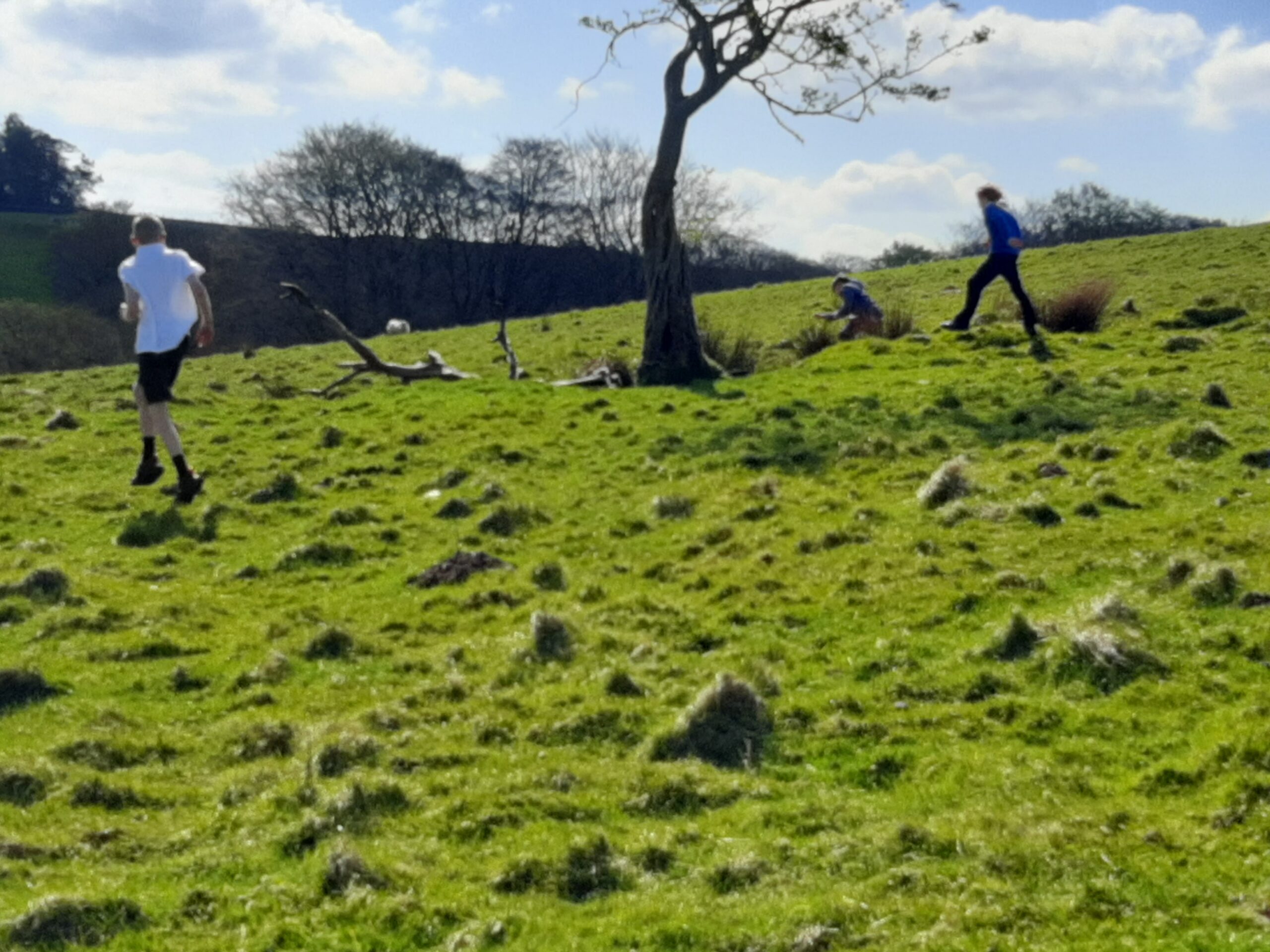
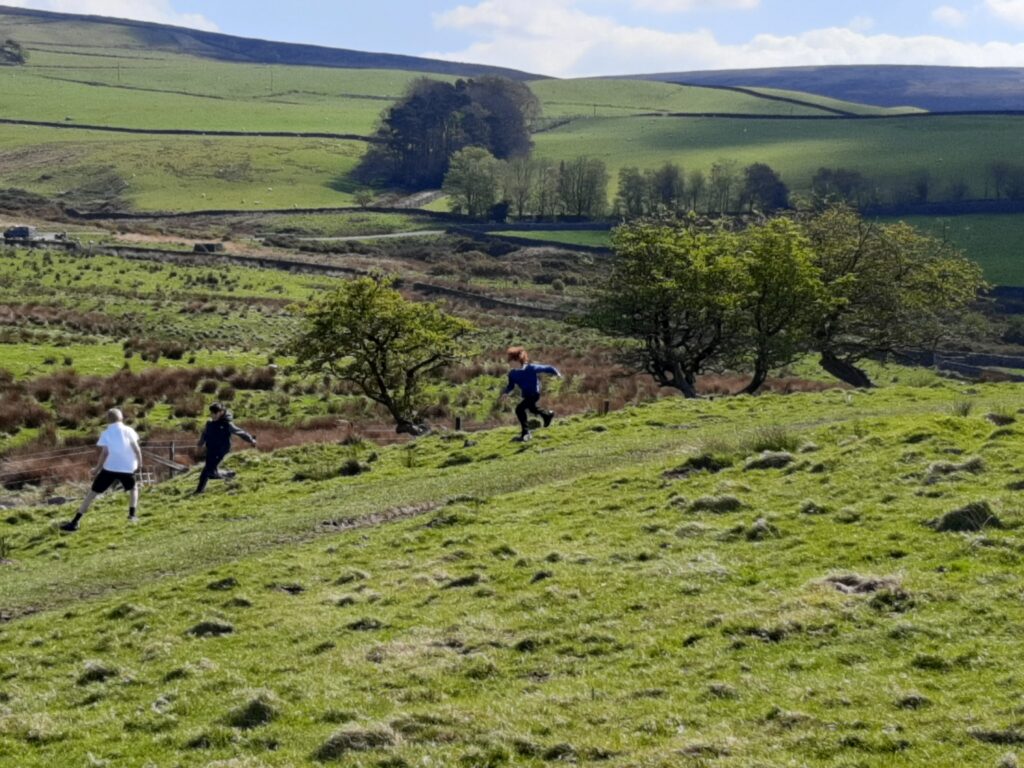
The children had an exciting adventure hiking up Nicky Nook, spotting trees, streams, mud, fences and amazing views along the way. As we walked, the class began making up their own alliteration phrases, inspired by everything they could see, hear and squelch through!
The walk certainly wasn’t short of drama. Archie and Ranell managed to get themselves properly stuck in the mud—not just their feet, but their shoes and boots actually disappeared into it! There was a lot of laughing, a bit of slipping, and eventually some very muddy rescuing. Kai showed incredible bravery too. Even though he’s not a fan of heights, he pushed himself to keep going and ended up walking most of the way up the hill with a big grin on his face. Meanwhile, Frankie and Ollie seemed to think the hill was a racetrack. They zoomed ahead, dragging poor Mr Meadows into a full workout as they powered up the steepest parts of the route!
During our rest stop, the children played around with more alliteration, testing out tongue-twisting phrases and trying to outdo one another with the silliest (and most impressive) ideas. The next day in class, we looked back at the photos from our adventure and used them to help us create a whole-class alliteration poem. It set the perfect tone for diving into our next topic on poetry.
Here’s the class poem we created together:
Brilliant Bleasdale bowed to the beauty, Watching great, green, growing grass, Amazed by the humongous, healthy hills.
The children visited the Harris Museum in Preston to explore the exciting Wallace and Gromit exhibition. Before the visit, they completed a worksheet to help them think about the significant people they have been learning about in class. This prepared them to make links with the creator of Wallace and Gromit, Nick Park, who is a significant figure from Preston, the same city in which the Harris Museum is based. During the exhibition, the children learned about Nick Park’s life, achievements and his influence on entertainment and television. They discovered how his imaginative characters and stop-motion animation have inspired audiences around the world. While exploring the displays, the children observed original models, storyboards and behind-the-scenes materials.
They were encouraged to write about what they saw, heard and felt, helping them reflect deeply on their experience. Many children commented on the creativity, humour and detail in the models and sets, and how inspiring it was to learn that such a famous animator comes from their own local area. The visit not only strengthened their understanding of significant individuals in history and culture but also sparked excitement and curiosity about animation, creativity, and storytelling.
The children enjoyed an exciting and immersive Greek Day where they deepened their understanding of life in ancient Greece. They learned about the role of hoplites and explored the weaponry, armour, and battle formations used in Greek warfare, helping to bring their history topic to life. The children then designed unique shields, which they will construct in the next lesson.
Next, through a tasting session, the children sampled traditional Greek foods such as olives, flatbread, Greek cheese, and a selection of Greek dips, giving them a sensory insight into daily life in the ancient world. They also discovered the significance of chitons and laurel wreaths, learning what these garments and symbols represented in Greek society.
To round off the day, the children created their own laurel wreath headbands, this enriching experience supported the children to deepen their knowledge of History by securing their understanding of an ancient civilisation and its lasting influence on the world. It encouraged them to use historical vocabulary, make connections between cultural practices, and understand how evidence helps us learn about the past. The practical and creative activities are also linked to the Art and Design curriculum, allowing children to experiment with design ideas and use craft techniques to create historical-inspired artefacts. Overall, the day provided a meaningful, cross-curricular learning opportunity that strengthened both knowledge and skills.
We had a brilliant day out at Beacon Fell, even though the weather was definitely on the colder side! The children didn’t let that stop them—they wrapped up warm and enjoyed exploring the outdoors from the moment we arrived.
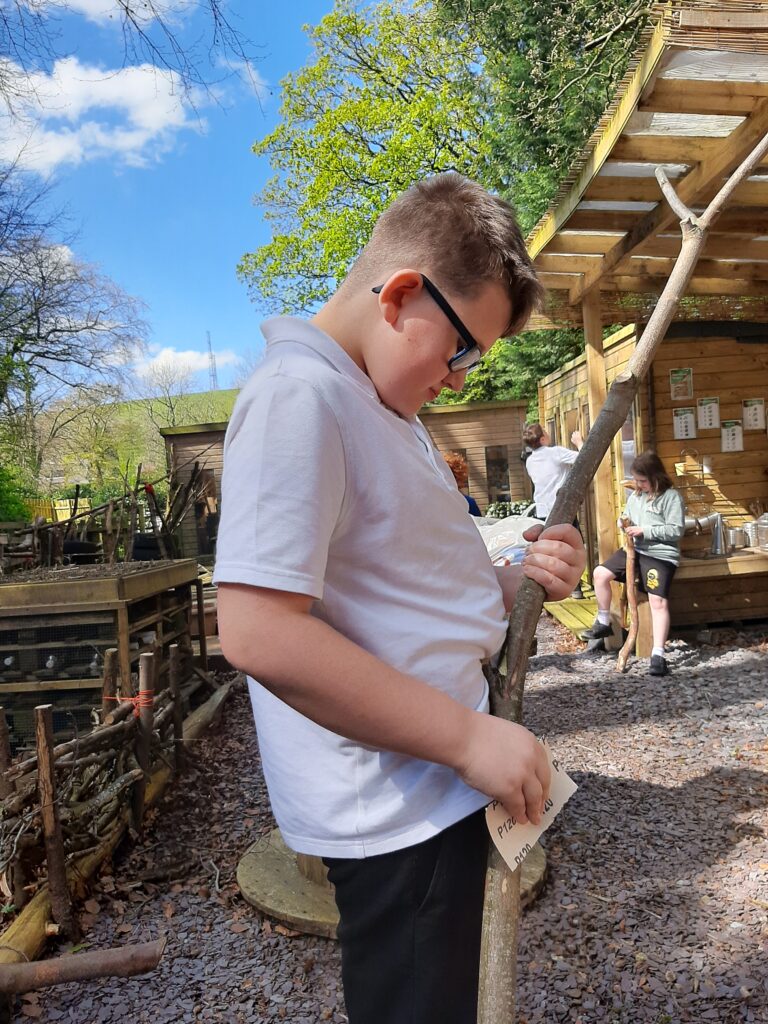
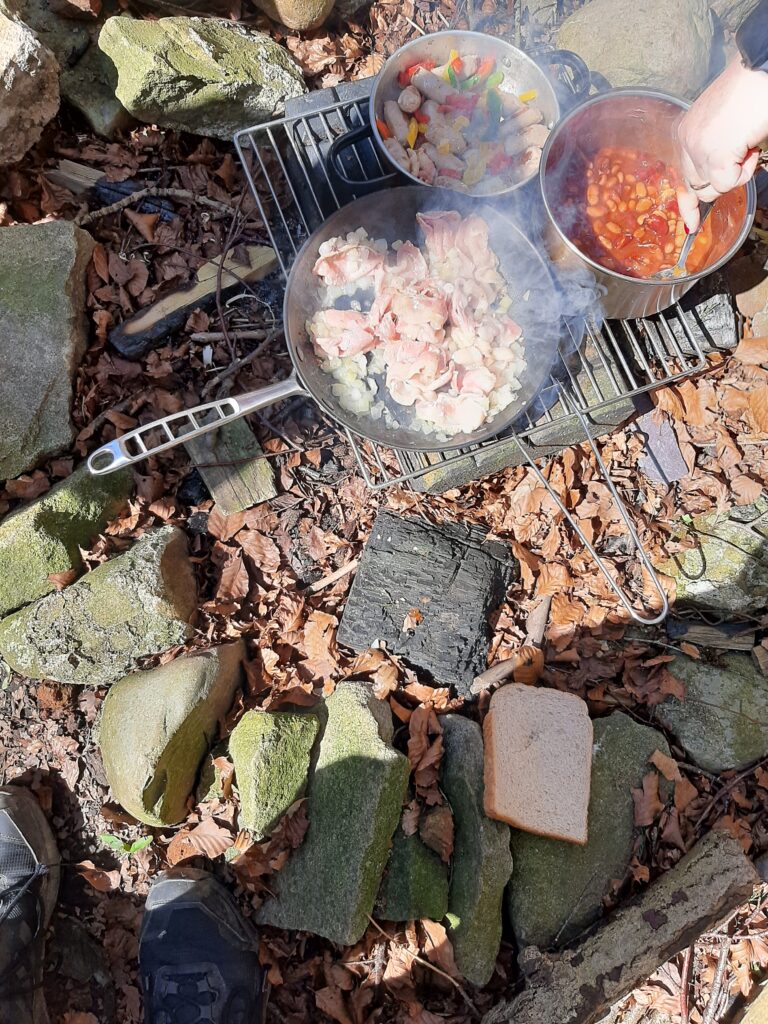
We spent lots of time walking across different terrains, including muddy paths, rocky tracks, and soft forest ground. The children were great at noticing how each surface felt and how they needed to move their bodies differently to stay balanced whilst they used different vocabulary to discuss what things felt or looked like. They were completely absorbed in the natural environment, spotting interesting plants, fallen branches and looking for any animal trails on the ground. One of the highlights of the day was when we were lucky enough to spot a deer standing quietly between the trees. The children were fascinated and spent a lot of the day talking about what the deer looked like. This led to a lovely discussion about why it’s important to look after wildlife and protect their habitats, especially in places like Beacon Fell where so many animals rely on the landscape to survive.After our walk, the children enjoyed some time on the wooden play equipment. This was a great chance for them to work together, communicate, and support each other as they climbed, balanced, and navigated the different obstacles. It really encouraged the use of their gross motor skills, and it was lovely to see them playing positively together and spending time helping each other.
Before we left, we made a fun link to our Drawing Club book ‘Room on the Broom’ by Julia Donaldson. The children explored the area to find natural items—sticks, leaves, pinecones, stones—and we talked about what magical potions we might create if we popped them into a cauldron just like in the story. They tried really hard to discuss their ideas and use their imaginations meaning we ended up with some brilliant (and slightly muddy!) potion ideas.
Overall, it was a wonderfully engaging day full of fresh air, teamwork, imagination, and hands-on learning.
Bleasdale has been busy exploring exciting activities in both Science and Design & Technology, all inspired by the topic “Invasion from the Vikings” and cultural-based designs. The pupils have been developing their creative skills whilst learning about Viking culture and science concepts related to the water cycle.
In Design & Technology, students created a variety of Viking-inspired items. We made beautiful brooches from felt, designed bracelets using safety pins, coloured beads, and clear beads, and added intricate details with thread. We also got creative with paper, rolling coloured paper to make beads and fashioning them into stylish bracelets. These hands-on activities not only allowed the pupils to learn about Viking artefacts but also honed their fine motor skills and artistic expression.
In Science, the class wrapped up their study of the water cycle by diving into the concepts of evaporation and condensation. Pupils learned key vocabulary and were able to confidently recite terms such as “evaporation,” “condensation,” and “precipitation.” To deepen their understanding, they conducted a hands-on experiment: boiling water in a pan to observe how the liquid turned into water vapour (a gas), then catching the vapour in a bottle. As the vapour cooled, they saw how it turned back into water droplets, demonstrating the process of condensation. This experiment provided a clear and engaging visual of how water moves through the different stages of the water cycle.
Overall, Bleasdale has made fantastic progress, engaging with both historical and scientific concepts through creative projects and experiments. Well done to all pupils for their hard work and enthusiasm!
We support the following
Councils
We use cookies on our website to give you the most relevant experience by remembering your preferences and repeat visits. By clicking “Accept All”, you consent to the use of ALL the cookies. However, you may visit "Cookie Settings" to provide a controlled consent.
This website uses cookies to improve your experience while you navigate through the website. Out of these, the cookies that are categorized as necessary are stored on your browser as they are essential for the working of basic functionalities of the website. We also use third-party cookies that help us analyze and understand how you use this website. These cookies will be stored in your browser only with your consent. You also have the option to opt-out of these cookies. But opting out of some of these cookies may affect your browsing experience.
Necessary cookies are absolutely essential for the website to function properly. These cookies ensure basic functionalities and security features of the website, anonymously.
Cookie
Duration
Description
cookielawinfo-checkbox-analytics
11 months
This cookie is set by GDPR Cookie Consent plugin. The cookie is used to store the user consent for the cookies in the category "Analytics".
cookielawinfo-checkbox-functional
11 months
The cookie is set by GDPR cookie consent to record the user consent for the cookies in the category "Functional".
cookielawinfo-checkbox-necessary
11 months
This cookie is set by GDPR Cookie Consent plugin. The cookies is used to store the user consent for the cookies in the category "Necessary".
cookielawinfo-checkbox-others
11 months
This cookie is set by GDPR Cookie Consent plugin. The cookie is used to store the user consent for the cookies in the category "Other.
cookielawinfo-checkbox-performance
11 months
This cookie is set by GDPR Cookie Consent plugin. The cookie is used to store the user consent for the cookies in the category "Performance".
viewed_cookie_policy
11 months
The cookie is set by the GDPR Cookie Consent plugin and is used to store whether or not user has consented to the use of cookies. It does not store any personal data.
Functional cookies help to perform certain functionalities like sharing the content of the website on social media platforms, collect feedbacks, and other third-party features.
Performance cookies are used to understand and analyze the key performance indexes of the website which helps in delivering a better user experience for the visitors.
Analytical cookies are used to understand how visitors interact with the website. These cookies help provide information on metrics the number of visitors, bounce rate, traffic source, etc.
Advertisement cookies are used to provide visitors with relevant ads and marketing campaigns. These cookies track visitors across websites and collect information to provide customized ads.